ESG
Our ESG statement
Our Environmental, Sustainable and Governance (ESG) policy has been formally documented for the first time in 2025, however many initiatives have been in place across a diverse range of sectors with over-arching aims to reduce energy consumption and ensure our people are safe and well cared for. Our circular approach to business plays a central role in many industry sectors, including Fast Moving Consumer Good (MFCG), Ecommerce, industrial value chains, food and beverage and export.
Combined, our statement and circular approach helps our customers and value stream to achieve their own sustainability goals by choosing a responsible packaging manufacturer.
Our ESG objectives
We approach our ESG (Environmental, Social, and Governance) strategy by considering the impact of our operations on the environment, society, and our governance practices.
- Environmental: We will assess our impact on the environment, such as our carbon emissions, waste disposal practices, and resource usage. We will then set goals and initiatives to reduce our environmental impact, such as investing in renewable energy, reducing waste, and using sustainable materials.
- Social: We will consider our impact on society, such as our relationships with employees, customers, and communities. We will prioritise fair labour practices, diversity and inclusion, and community engagement.
- Governance: We will ensure our governance practices are transparent, accountable, and responsible. This includes promoting ethical behaviour, avoiding conflicts of interest, and ensuring regulatory compliance.
To implement an effective ESG strategy, we will involve all stakeholders in the process, including employees, key suppliers, customers, and communities. We will also measure and report on our progress towards our ESG goals and make adjustments as needed. Our ambition is to align with the science-based targets initiative (SBTi).
Measurable Goals:
Development of specific, measurable goals for each ESG component, aligned with industry standards and regulatory requirements will steer our improvement. Examples will include:
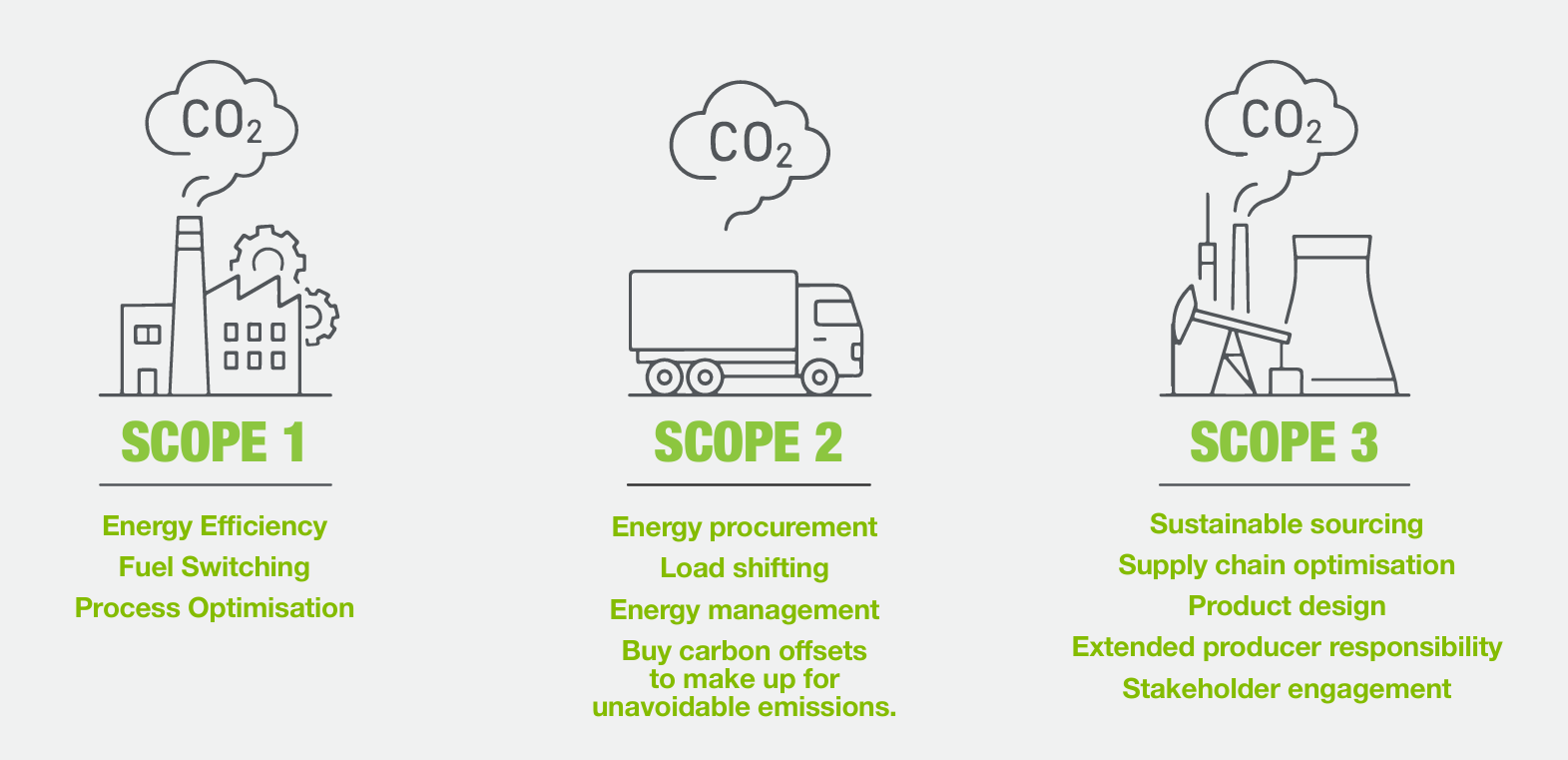
- Reducing Scope 1 and 2 energy intensity rate (tCO2/Ksm) by 45% compared to 2021 baseline
- Introducing robust reporting for our diversity metrics and agreeing future targets
- Implementing a comprehensive ethics training program for all employees.
Actionable Steps:
The outlining of actionable steps to achieve these goals, including initiatives, policies, and practices will include:
- Investing in renewable energy sources.
- Establishing partnerships with local organisations to support community projects.
- Enhancing governance frameworks to ensure compliance with ethical standards.
Key Performance Indicators (KPIs):
Establishing KPIs to track progress and measure the success of Logson Group will be supported by Process and Activity Indicators to ensure the strategy is dynamic and part of our DNA. Examples include:
- Carbon footprint reduction metrics.
- Employee satisfaction and retention rates.
- Compliance with governance policies.
Reporting Framework:
A robust reporting framework to communicate achievements and challenges to stakeholders will allow collaboration across all Logson Group businesses, ensuring we remain dynamic. This could include annual sustainability reports, regular updates on the company website, and presentations at stakeholder meetings.